

Compute Containers: A Faster Route to New AI Capacity
Integration scope Typical delivery content Customer work remaining Facility module Enclosure, power, cooling, racks, monitoring Install and integrate IT equipment Rack-integrated module Facility module plus installed racks and cabling Install or finalize servers, network, and software Turnkey compute module Servers, storage, switching, power, cooling, monitoring, and factory testing Connect site utilities, complete site acceptance, and…

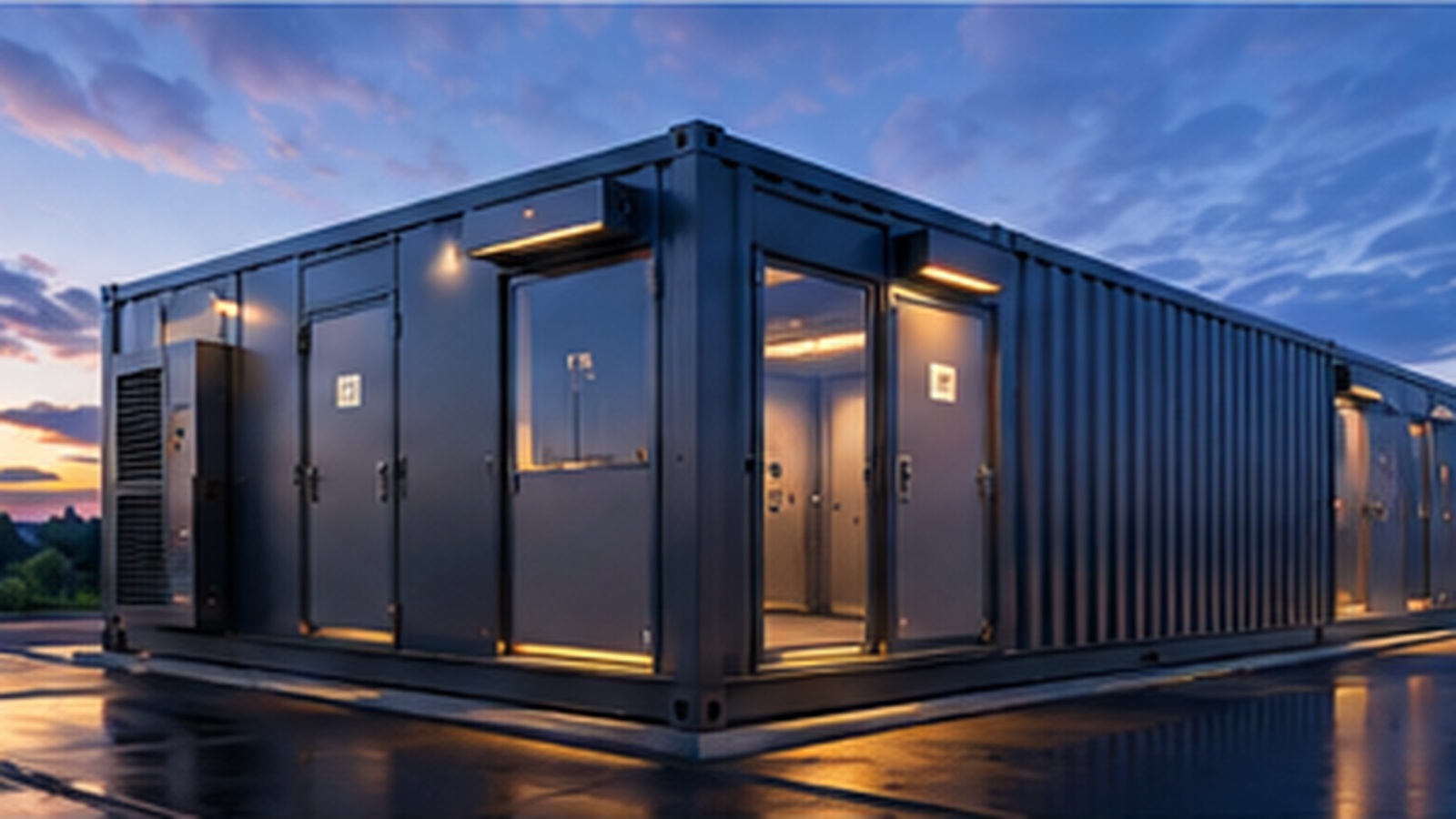
Factory-integrated compute containers can compress the deployment schedule for AI and edge capacity. The fastest projects still begin with disciplined site and acceptance planning.
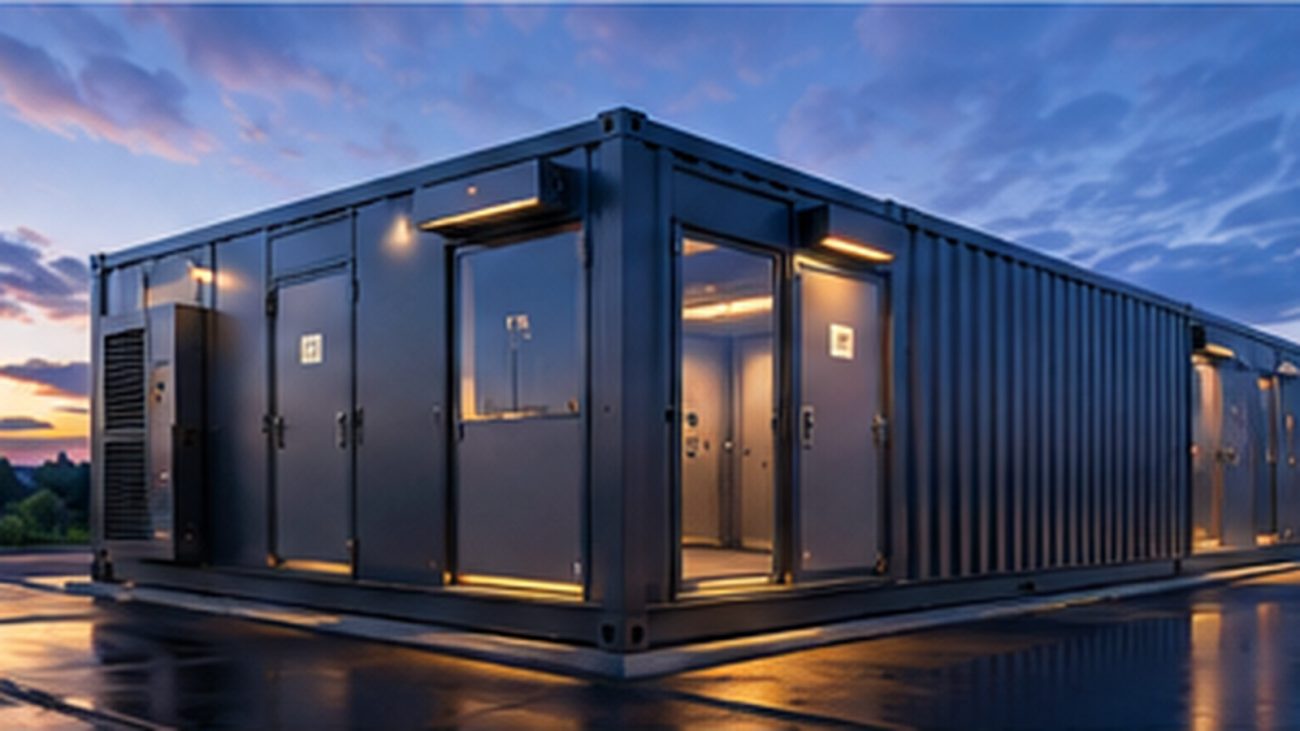
The pressure to bring AI capacity online is colliding with the slow reality of conventional construction. Grid connections, permits, structural work, cooling equipment, electrical rooms, commissioning, and multi-vendor coordination can stretch a data center project across many months. For organizations that need a smaller deployment block or a distributed site, compute containers offer a different path.
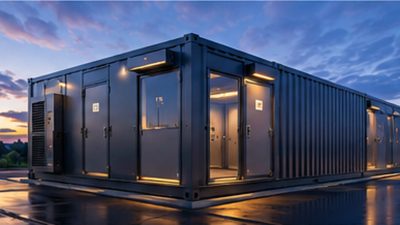
A compute container is a prefabricated data center module that can integrate racks, power distribution, UPS systems, batteries, cooling, environmental monitoring, fire protection, network cabling, and—in a higher integration scope—the servers, switches, and storage themselves. Much of the assembly and testing happens in a controlled factory environment before delivery.
Why modular infrastructure is gaining attention
The Open Compute Project’s Open Data Centers for AI initiative highlights the need to reduce deployment delays and improve “time to first token.” That phrase captures a practical business problem: hardware creates no value while it is waiting for a room, electrical path, cooling system, or integration team.
Compute containers can shorten the on-site phase because repeated engineering work is standardized. The enclosure, racks, internal distribution, cooling architecture, monitoring, and cabling can be assembled in parallel with site preparation. Factory acceptance testing also allows many defects to be found before the module travels to the customer.
Where compute containers deliver the most value
Edge AI and industrial processing
Factories, logistics hubs, energy sites, and smart-city deployments may need local processing but lack a conventional data hall. A container can create a managed environment close to cameras, machines, sensors, or users, reducing backhaul traffic and latency.
Temporary or phased capacity
A project may need compute capacity before a permanent facility is complete, or it may want to add capacity in predictable blocks. Modular units support phased expansion and can be relocated if the commercial requirement changes.
Remote sites
Mining, renewable-energy, telecom, research, and infrastructure projects often operate far from established data centers. A ruggedized container can package the facility layer and IT layer into a transportable unit, provided the site has suitable power, network connectivity, access, security, and maintenance support.
Campus and research expansion
Universities and laboratories sometimes have available outdoor space but limited building capacity. A compute container may avoid major internal reconstruction while providing dedicated AI, HPC, or storage capacity near the research users.
A container is prefabricated—not magically plug-and-play
The phrase “plug-and-play” is useful shorthand, but it can hide important work. The customer site must still provide a foundation or structural support, electrical connection, grounding, network uplink, drainage where required, access control, physical security, fire and emergency procedures, and an approved heat-rejection path.
High-density AI containers add further requirements. Rack power, inrush current, UPS runtime, cable routing, airflow or liquid-cooling interfaces, external condenser or dry-cooler placement, noise, and service clearance should be fixed before the module is built. Local permits and transport restrictions may influence dimensions and equipment choices.
The integration level changes the deployment experience
| Integration scope | Typical delivery content | Customer work remaining |
| Facility module | Enclosure, power, cooling, racks, monitoring | Install and integrate IT equipment |
| Rack-integrated module | Facility module plus installed racks and cabling | Install or finalize servers, network, and software |
| Turnkey compute module | Servers, storage, switching, power, cooling, monitoring, and factory testing | Connect site utilities, complete site acceptance, and deploy workloads |
A higher integration scope can reduce coordination risk, but it also requires more accurate information earlier. The final bill of materials, rack layout, cable plan, software assumptions, and acceptance tests must be stable before factory integration begins.
Questions to answer before requesting a proposal
- What workload will run in the container, and how will it grow over three to five years?
- How much usable electrical capacity is available at the site?
- Will the IT load use air cooling, cold plates, immersion cooling, or a hybrid design?
- What outdoor temperature, humidity, dust, salt, altitude, wind, seismic, and noise conditions apply?
- What network capacity and redundancy are available?
- Who will operate the module, and what remote or on-site support is required?
- Which factory acceptance and site acceptance tests will define completion?
Deployment speed comes from parallel work
The strongest schedule advantage does not come from the container alone. It comes from running site preparation, module engineering, component procurement, IT integration, and acceptance planning in parallel under one project structure. Delays return when the power requirement, rack layout, cooling method, or server configuration changes after production has started.
BEIJING YINTAI coordinates compute container projects with configurable power, cooling, racks, monitoring, and IT integration. Final deployment timing depends on project definition, component availability, site readiness, logistics, local approvals, and the agreed test plan.
Next step: Planning a modular AI or edge site? Share the location, environmental conditions, power capacity, target workload, cooling preference, rack count, and required integration level to define a practical containerized deployment plan.
Suggested Internal Links
- Compute Containers:
- Edge Computing Servers:
- AI Compute Center Integration:
- Data Center O&M Services:
Editorial Sources for Verification
- Open Compute Project — Open Data Centers for AI
- International Energy Agency — Energy Demand from AI
- Uptime Institute — Global Data Center Survey 2025
Configuration and trademark note: Third-party product names are trademarks of their respective owners. BEIJING YINTAI is an independent solutions provider. Configurations, compatibility, performance, PUE targets, repair feasibility, response objectives, availability, and delivery timelines depend on the final bill of materials, site conditions, project scope, and agreed acceptance criteria or SLA.