

Custom Server ODM: When Standard Hardware Falls Short
Project stage Key outputs Requirements definition Workload, interfaces, dimensions, environment, compliance, quantity, target cost, lifecycle Architecture and feasibility Block diagrams, platform choice, risk review, preliminary BOM, NRE and schedule Detailed engineering Motherboard, risers, chassis, power, thermal design, BIOS/BMC, mechanical drawings Prototype and validation EVT/DVT builds, signal tests, thermal tests, compatibility, firmware, workload validation Pilot production…

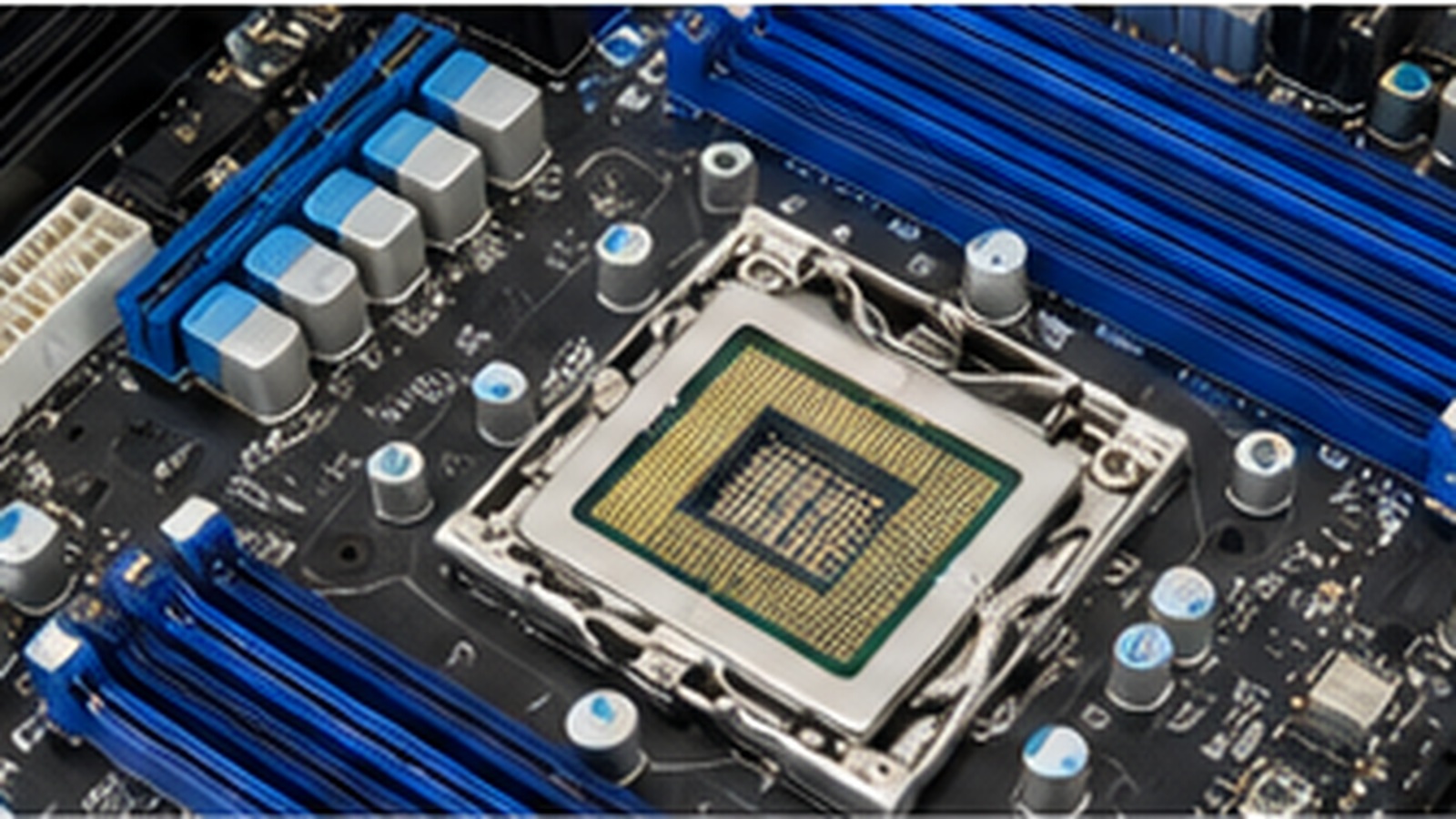
Most projects should begin with a standard platform. ODM engineering becomes valuable when form factor, topology, environment, firmware, or integration requirements create a real business case.
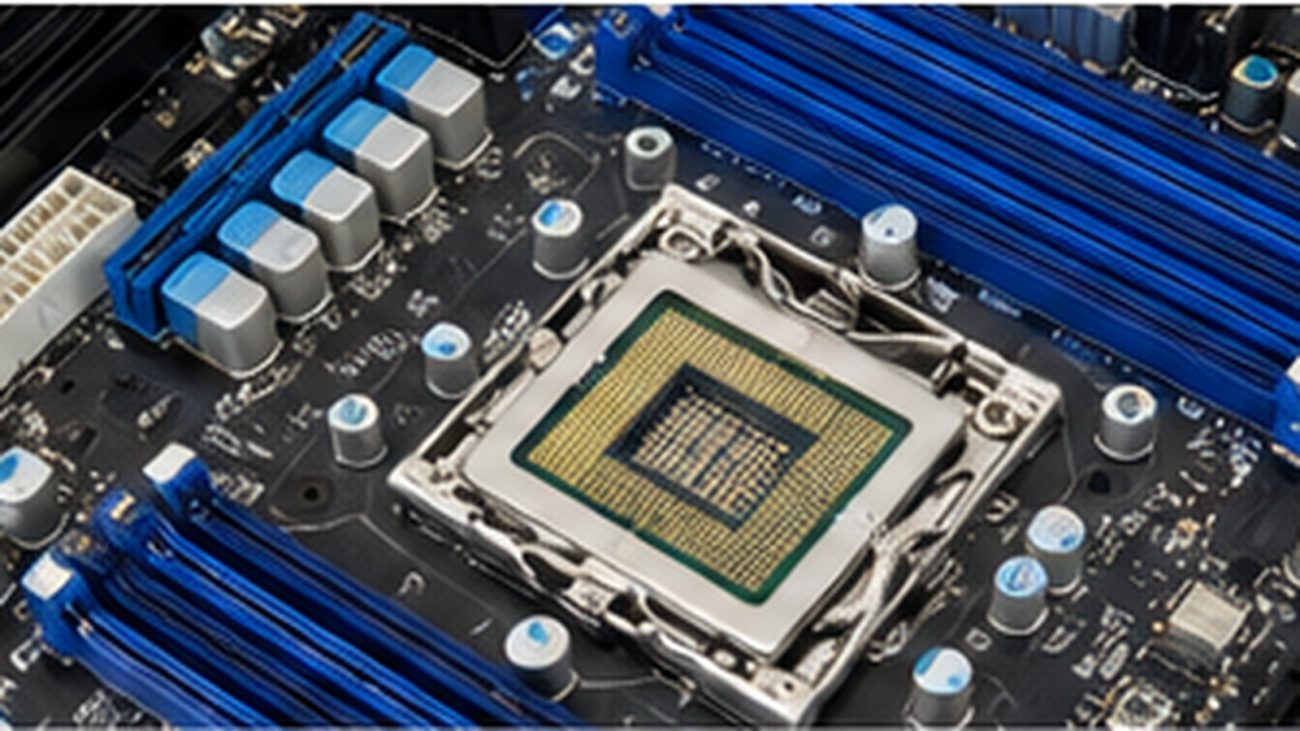
Standard server platforms are the correct choice for most enterprise projects. They reduce engineering cost, simplify certification, improve component availability, and shorten deployment. Custom server ODM becomes valuable only when a standard chassis or motherboard cannot meet an important requirement.
That threshold is appearing more often in AI, edge, industrial, modular, and high-density infrastructure. The industry is moving toward co-designed rack-scale systems, open power and cooling standards, and workload-specific platforms. At the same time, buyers are asking for compact form factors, unusual I/O, specialized GPU topology, environmental adaptation, custom firmware, and deeper factory integration.
Five signs that an ODM project may be justified
1. The required form factor does not exist
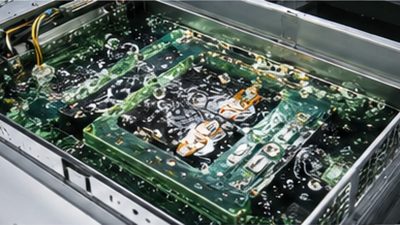
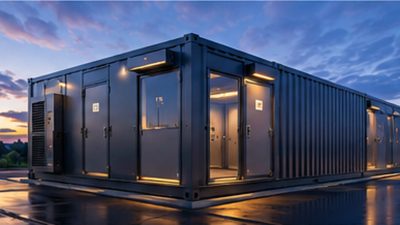
Edge sites may have strict chassis-depth limits. A telecom cabinet may require front access. A compute container may need a non-standard rack layout. An immersion tank may require a native fanless board and chassis arrangement. When mechanical constraints drive the project, repeated field modification of standard servers can be more expensive and less reliable than a designed platform.
2. The workload needs a specific PCIe or accelerator topology
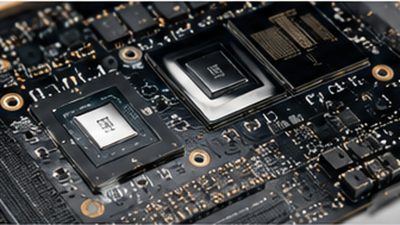
AI, storage, and networking projects can require a combination of GPU slots, PCIe switches, OCP network modules, NVMe devices, and high-speed adapters that standard risers cannot support. ODM engineering can align lane allocation, signal integrity, slot spacing, power delivery, and airflow around the actual card set.
3. The environment is outside normal data center conditions
Coastal sites, factories, transport systems, remote energy facilities, and outdoor enclosures may introduce temperature, humidity, salinity, dust, vibration, altitude, or acoustic constraints. A custom design can change materials, filtration, connectors, thermal margins, mechanical reinforcement, and monitoring to match the site.
4. Firmware and management need project-specific behavior
BIOS defaults, boot sequence, sensor logic, fan curves, power caps, security settings, BMC interfaces, Redfish objects, remote recovery, and asset information may need adjustment for a fleet. Software-defined infrastructure works best when firmware behavior is consistent and documented across production batches.
5. The delivery scope extends beyond a standalone server
Some customers need L6 barebones, others need L10 complete systems, and some projects require rack or container integration with cabling, switching, storage, firmware, and testing. ODM/JDM engagement can connect product engineering with manufacturing and final integration instead of treating each stage as a separate supplier handoff.
What a real ODM process looks like
| Project stage | Key outputs |
| Requirements definition | Workload, interfaces, dimensions, environment, compliance, quantity, target cost, lifecycle |
| Architecture and feasibility | Block diagrams, platform choice, risk review, preliminary BOM, NRE and schedule |
| Detailed engineering | Motherboard, risers, chassis, power, thermal design, BIOS/BMC, mechanical drawings |
| Prototype and validation | EVT/DVT builds, signal tests, thermal tests, compatibility, firmware, workload validation |
| Pilot production | Process validation, quality controls, assembly instructions, traceability, acceptance plan |
| Mass production and lifecycle | Change control, component substitutions, quality reporting, spare parts, repair and revision planning |
Skipping requirements definition is the most common way to waste an ODM budget. Engineers cannot optimize a platform around phrases such as “high performance” or “low cost.” They need measurable requirements: slot count, bandwidth, storage layout, power, dimensions, ambient range, acoustic limit, network interfaces, software stack, qualification tests, order volume, and expected product life.
ODM economics: NRE, volume, and lifecycle matter
Custom engineering involves non-recurring engineering cost, prototype materials, tooling, validation, certification, and production setup. A small order can still make sense when the business impact is high, but the buyer should compare the complete project cost with adapting a standard platform.
Volume also affects component strategy. Long-lived products need approved alternates and change-control rules because processors, memory, network controllers, power components, and storage devices may change during the product lifecycle. A strong ODM agreement defines how substitutions are reviewed and how firmware and test coverage are maintained.
How to reduce ODM project risk
- Freeze measurable requirements before detailed design begins.
- Separate mandatory features from preferences to protect schedule and cost.
- Define ownership and licensing for drawings, firmware, tooling, and test fixtures.
- Agree on prototype gates, acceptance tests, change control, and failure-reporting formats.
- Confirm regulatory, safety, export, trademark, and warranty responsibilities for the target markets.
- Plan component availability, approved alternatives, spares, repair, and end-of-life support from the start.
Customization should solve a real constraint
A custom server is not automatically better than a standard server. It is better when it removes a defined constraint, improves deployment economics, or creates a repeatable product that standard hardware cannot deliver. Good ODM partners will sometimes recommend a configured standard platform instead of a new design.
BEIJING YINTAI coordinates custom server and motherboard ODM projects through qualified engineering and manufacturing partners, from requirement definition and barebone development to complete systems, racks, and containerized delivery. Feasibility, NRE, minimum quantities, validation, compliance, intellectual-property terms, and schedule are confirmed project by project.
Next step: Preparing an ODM inquiry? Provide the workload, dimensions, processor and accelerator requirements, I/O map, storage, network, environmental conditions, firmware needs, compliance markets, expected quantity, target cost, and lifecycle plan.
Suggested Internal Links
- Custom Server & Motherboard ODM: /services/custom-server-motherboard-odm
- General Purpose Servers: /products/general-purpose-servers
- Edge Computing Servers: /products/edge-computing-servers
- Compute Containers: /products/compute-containers
Editorial Sources for Verification
- Open Compute Project — Open Data Centers for AI
- AMD — Helios Rack-Scale AI Infrastructure
- Intel — Xeon 6+, Networking and AI Systems
Configuration and trademark note: Third-party product names are trademarks of their respective owners. BEIJING YINTAI is an independent solutions provider. Configurations, compatibility, performance, PUE targets, repair feasibility, response objectives, availability, and delivery timelines depend on the final bill of materials, site conditions, project scope, and agreed acceptance criteria or SLA.